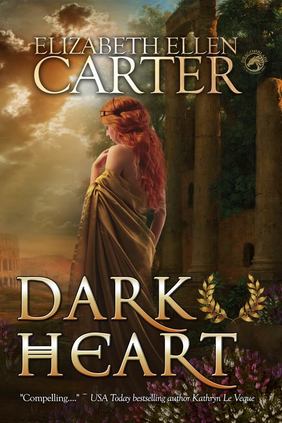
I love Elizabeth Ellen Carter's ability to move between historical periods... her books to date have been set in the 18th and 19th century, but Elizabeth's passion is the Roman era. I am thrilled for her that the book of her heart... DARK HEART has found a publisher and will be released on 28 April (it is available for pre order NOW!)
I asked EEC to share with us a snippet of research (and I quail at the amount of research that went into writing this book!)...
I asked EEC to share with us a snippet of research (and I quail at the amount of research that went into writing this book!)...
Penthouse living... Roman style!
Today, living is a penthouse is seen as a pinnacle of luxury.
I can just hear Eva Gabor singing the line from Green Acres: “I just adore a penthouse view; darling I love you, but give me Park Avenue.”
But if you lived in Ancient Rome, the last place you wanted to be was on the top floor of an apartment building.
Quite remarkably, the population of Rome during the third century AD was one million – a feat reached by London only in 1810 and Manhattan in 1874.
Just like today, that caused a bit of a housing affordability crisis and again, like today, it was decided that the only way was up.
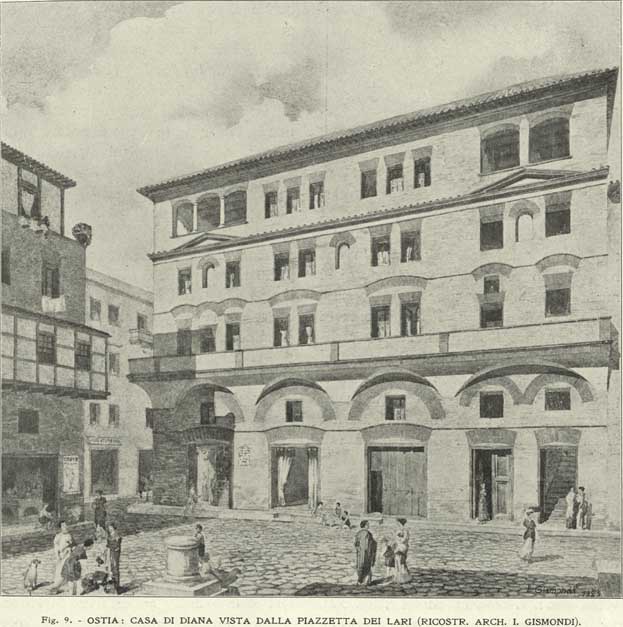
Apartment buildings (often named for their wealthy owner) were seen as the solution. These structures were up to seven storeys in height with the first two stories made of stone or concrete and the rest of the apartments made of wood.
And in a world without reticulated water, that meant carting water upstairs and, depending on the building, you might also be forbidden from cooking in your apartment. So the wealthy lived on the ground floor, the middle and working classes on the level above that and poor above that again.
These apartment buildings were called insulae – which is Latin for islands and indeed apartment living is just like being on an island in the middle of the city.
It has been suggested that one of the reasons why Nero fiddled while Rome burned was that he saw it as a great slum clearance and indeed after the fire he mandated insulae be no greater than seven storeys (70 feet), Emperor Trajan was even more strict, placing a six storey height limit on new construction.
But everything old is new again, with many cities returning to wood to construct high rise buildings - but this time using cross-laminated timber (CLT) — layers of wood, glued together under high pressure with the grain of each perpendicular to the one before. The end product is strong and rigid, unlike raw timber, which will warp and weave over time.
Norway currently boasts the tallest timber building with a 14-storey timber high rise called Treet. Canada hopes to eclipse that later this year with an 18-story timber dorm building at the University of British Columbia, soon to be followed by the 21-storey Haut building in Amsterdam.
It can be hard to imagine ancient apartments, so I’ve found this beautiful four minute architectural video showing what Insulae would have looked like.
I can just hear Eva Gabor singing the line from Green Acres: “I just adore a penthouse view; darling I love you, but give me Park Avenue.”
But if you lived in Ancient Rome, the last place you wanted to be was on the top floor of an apartment building.
Quite remarkably, the population of Rome during the third century AD was one million – a feat reached by London only in 1810 and Manhattan in 1874.
Just like today, that caused a bit of a housing affordability crisis and again, like today, it was decided that the only way was up.
Apartment buildings (often named for their wealthy owner) were seen as the solution. These structures were up to seven storeys in height with the first two stories made of stone or concrete and the rest of the apartments made of wood.
And in a world without reticulated water, that meant carting water upstairs and, depending on the building, you might also be forbidden from cooking in your apartment. So the wealthy lived on the ground floor, the middle and working classes on the level above that and poor above that again.
These apartment buildings were called insulae – which is Latin for islands and indeed apartment living is just like being on an island in the middle of the city.
It has been suggested that one of the reasons why Nero fiddled while Rome burned was that he saw it as a great slum clearance and indeed after the fire he mandated insulae be no greater than seven storeys (70 feet), Emperor Trajan was even more strict, placing a six storey height limit on new construction.
But everything old is new again, with many cities returning to wood to construct high rise buildings - but this time using cross-laminated timber (CLT) — layers of wood, glued together under high pressure with the grain of each perpendicular to the one before. The end product is strong and rigid, unlike raw timber, which will warp and weave over time.
Norway currently boasts the tallest timber building with a 14-storey timber high rise called Treet. Canada hopes to eclipse that later this year with an 18-story timber dorm building at the University of British Columbia, soon to be followed by the 21-storey Haut building in Amsterdam.
It can be hard to imagine ancient apartments, so I’ve found this beautiful four minute architectural video showing what Insulae would have looked like.
About DARK HEART
Rome, 235AD
A series of ritual murders of young boys recalls memories of Rome’s most wicked Emperor. Magistrate Marcus Cornelius Drusus has discovered the cult extends to the very heart of Roman society.
Despite his personal wealth and authority, Marcus is a slave to his past – conflicted by his status as an adopted son, bitterly betrayed by his wife and forced to give up his child.
Kyna knows all about betrayal. Sold into slavery by her husband to pay a gambling debt, she found herself in Rome, far from her home in Britannia. Bought by a doctor, she is taught his trade and is about to gain her freedom when her mentor is murdered by the cult.
When the same group make an attempt on her life, Kyna is forced to give up her freedom and accept Marcus’s protection. With no one to trust but each other, mutual attraction ignites into passion but how far will Marcus go for vengeance when he learns the cult’s next victim is his son?
A series of ritual murders of young boys recalls memories of Rome’s most wicked Emperor. Magistrate Marcus Cornelius Drusus has discovered the cult extends to the very heart of Roman society.
Despite his personal wealth and authority, Marcus is a slave to his past – conflicted by his status as an adopted son, bitterly betrayed by his wife and forced to give up his child.
Kyna knows all about betrayal. Sold into slavery by her husband to pay a gambling debt, she found herself in Rome, far from her home in Britannia. Bought by a doctor, she is taught his trade and is about to gain her freedom when her mentor is murdered by the cult.
When the same group make an attempt on her life, Kyna is forced to give up her freedom and accept Marcus’s protection. With no one to trust but each other, mutual attraction ignites into passion but how far will Marcus go for vengeance when he learns the cult’s next victim is his son?
BUY DARK HEART
Read an excerpt from DARK HEART...
Marcus watched the captain of the guard come to attention as he entered the room. With a wave of Marcus’ hand, Janarius was at ease.
“Report.”
“A quiet night mostly. A couple of brawls to break up. The Praetorian Guard is making a nuisance of itself. I take it you’ve heard? On orders of the new emperor, Alexander Severus’ supporters are being taken in for questioning.”
Marcus nodded and took a seat on one of the two curule chairs. He had heard. The situation was why he was content to owe no man. He asked no favors and gave none in return. It had always been a sore point between himself and his former wife, Agrippina.
She had accepted her father’s arrangement of marriage to Marcus despite him being younger than her, and beneath her station, because he was seen as a rising star – an adopted Roman from the province of Judea who had been trained by the very best, destined to go far.
However, no sooner had the ink dried on the marriage contract than Marcus learned what kind of wife had been negotiated for him.
He shook off the bitter memory and returned his attention to Janarius.
“Bodies. Either inside or outside the city,” Marcus demanded crisply.
“None,” the captain said, but the hint of relief in his voice suggested he had misunderstood.
Marcus shook his head. “No, I don’t mean more boys.”
“Then who?”
“A woman. Short, slim build, red hair, not yet thirty years of age.”
Janarius blinked and examined the pair of wax tablets he held but until now had not referred to.
“A woman who might fit that description broke her neck after being thrown down the stairs by her husband at the Insula Ferox.”
Marcus shook his head. Janarius looked further at his lists.
“A fornix was raped and beaten under the arches at the Theatre of Pompey, but it says she was a blonde.”
“Not her.” Marcus shook his head.
“Then that’s all. Of all the females reported dead last night those are the only two which come close to fitting your description.”
Marcus was surprised at the tension that leached from his shoulders at the news.
“May I ask who I’m supposed to be looking for?” asked Janarius.
“The Greek doctor’s slave assistant, Kyna.”
Marcus watched the man, waiting for his expression to change. His brow creased in thought, his eyebrows came up in recognition of the name, and then his eyes widened as the significance occurred to him. Janarius’ thought process written as plainly on his features as the words scribed on the tablets.
“That’s who she was?” he hissed. He stepped in and leaned on the magistrate’s desk. “I swear to you, Marcus, I didn’t know.”
“Report.”
“A quiet night mostly. A couple of brawls to break up. The Praetorian Guard is making a nuisance of itself. I take it you’ve heard? On orders of the new emperor, Alexander Severus’ supporters are being taken in for questioning.”
Marcus nodded and took a seat on one of the two curule chairs. He had heard. The situation was why he was content to owe no man. He asked no favors and gave none in return. It had always been a sore point between himself and his former wife, Agrippina.
She had accepted her father’s arrangement of marriage to Marcus despite him being younger than her, and beneath her station, because he was seen as a rising star – an adopted Roman from the province of Judea who had been trained by the very best, destined to go far.
However, no sooner had the ink dried on the marriage contract than Marcus learned what kind of wife had been negotiated for him.
He shook off the bitter memory and returned his attention to Janarius.
“Bodies. Either inside or outside the city,” Marcus demanded crisply.
“None,” the captain said, but the hint of relief in his voice suggested he had misunderstood.
Marcus shook his head. “No, I don’t mean more boys.”
“Then who?”
“A woman. Short, slim build, red hair, not yet thirty years of age.”
Janarius blinked and examined the pair of wax tablets he held but until now had not referred to.
“A woman who might fit that description broke her neck after being thrown down the stairs by her husband at the Insula Ferox.”
Marcus shook his head. Janarius looked further at his lists.
“A fornix was raped and beaten under the arches at the Theatre of Pompey, but it says she was a blonde.”
“Not her.” Marcus shook his head.
“Then that’s all. Of all the females reported dead last night those are the only two which come close to fitting your description.”
Marcus was surprised at the tension that leached from his shoulders at the news.
“May I ask who I’m supposed to be looking for?” asked Janarius.
“The Greek doctor’s slave assistant, Kyna.”
Marcus watched the man, waiting for his expression to change. His brow creased in thought, his eyebrows came up in recognition of the name, and then his eyes widened as the significance occurred to him. Janarius’ thought process written as plainly on his features as the words scribed on the tablets.
“That’s who she was?” he hissed. He stepped in and leaned on the magistrate’s desk. “I swear to you, Marcus, I didn’t know.”

TO FIND OUT MORE ABOUT ELIZABETH ELLEN CARTER VISIT...
Or subscribe to her NEWSLETTER





 RSS Feed